





In-person hypnotherapy in London
A quiet, calm space designed for deep therapeutic work, in my private practice in Camden.
- 5 Calstock, Royal College Street, London NW1 0RX
- Within walking distance of King’s Cross, St Pancras and Euston
Ericksonian and clinical hypnotherapy with Michele Occelli, a registered hypnotherapist practising since 2010. Sessions take place at a private practice in London, NW1, or online via Zoom, anywhere in the world.
Michele has worked with











Hypnotherapy is a form of therapy that uses hypnosis, a natural state of focused attention and deep absorption, to help you change unhelpful thoughts, feelings, behaviours and physical responses.
In hypnosis, the critical, analytical part of the mind steps back. That makes it easier to reach the automatic patterns underneath problems like anxiety, stress, poor sleep or low self-esteem, and to update them.
You stay aware and in control throughout. Hypnosis is not sleep and it is not stage hypnosis. It is closer to the absorbed state you enter when you are lost in a piece of music.
Read the full guide to hypnotherapyEvery treatment below is available at my London hypnotherapy studio and online. Choose the area closest to what you are experiencing, or book a session and we can explore it together.

Calm an overactive nervous system, quieten persistent worry and build a steadier sense of safety in everyday life.
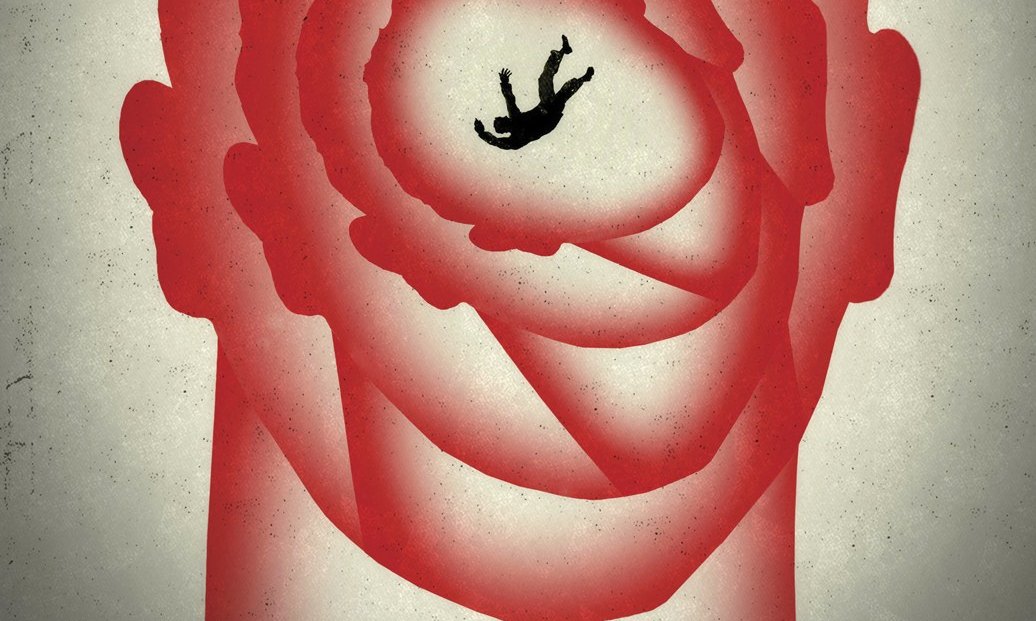
Understand what triggers panic, reduce its intensity and regain confidence in your body's signals.
Feel more at ease in meetings, conversations and social situations, without constant self-monitoring.

Reduce the physical and mental load of chronic stress and restore a sense of balance and recovery.
Ease constant worry about symptoms and illness, and step out of the cycle of checking and reassurance.

Feel calm and in control on motorways, in traffic and after a frightening experience on the road.

Ease shy bladder and shy bowel, and use public toilets without planning your day around them.
Clear mental fog and train sustained attention for work, study and creative projects.

Resolve the fear, pressure or perfectionism that keeps you stuck, and find it easier to start.
Loosen compulsive checking and scrolling habits and take back your attention.
Break the habit, ease cravings and stop smoking or vaping without relying on willpower alone.
Many hypnotherapists recite the same pre-written script to every client. I work differently. My main method is Ericksonian hypnotherapy, developed from the work of the American psychiatrist Milton H. Erickson. It treats every person as unique and uses your own language, experiences and inner resources to create change.
We start from your goals and history, not from a generic protocol.
Ericksonian hypnosis is permissive and conversational. You stay an active participant, which many clients find more comfortable and more effective than directive hypnosis.
Alongside Ericksonian and clinical hypnotherapy, I draw on NLP, coaching, mindfulness, somatic therapy, neuroaffective developmental psychology and Attention Stances, depending on what will help you most.
Whether you are dealing with anxiety, stress, poor sleep, difficult emotions, unwanted habits or other challenges, my work addresses the whole person rather than treating mind and body separately.
If you have never tried hypnotherapy before, it is natural to wonder what it involves. Here is how we will work together.
Book your first sessionChoose an in-person or online appointment through the online booking system. Each session lasts 60 minutes.
We begin with a conversation about what brings you here, what you would like to change and what has or hasn't helped before. This shapes everything that follows.
I guide you into a relaxed, focused state where you remain aware and in control. Most people find it deeply calm and restorative. In this state, we do the therapeutic work, helping to change unhelpful patterns, responses, triggers, feelings or thoughts.
We finish by discussing how you felt and what you noticed, and agree on a plan. Some issues shift within a few sessions. Others benefit from a longer process.
A quiet, calm space designed for deep therapeutic work, in my private practice in Camden.
Online sessions follow the same structure as in-person work, and many clients find it easier to relax at home.
The practice is on Royal College Street in Camden, London NW1, between Camden Town and King’s Cross. Walking times are taken from Google Maps.
Coming from Euston? Take the Northern line one stop to Mornington Crescent, or walk in about 20 minutes.
Get walking directions in Google Maps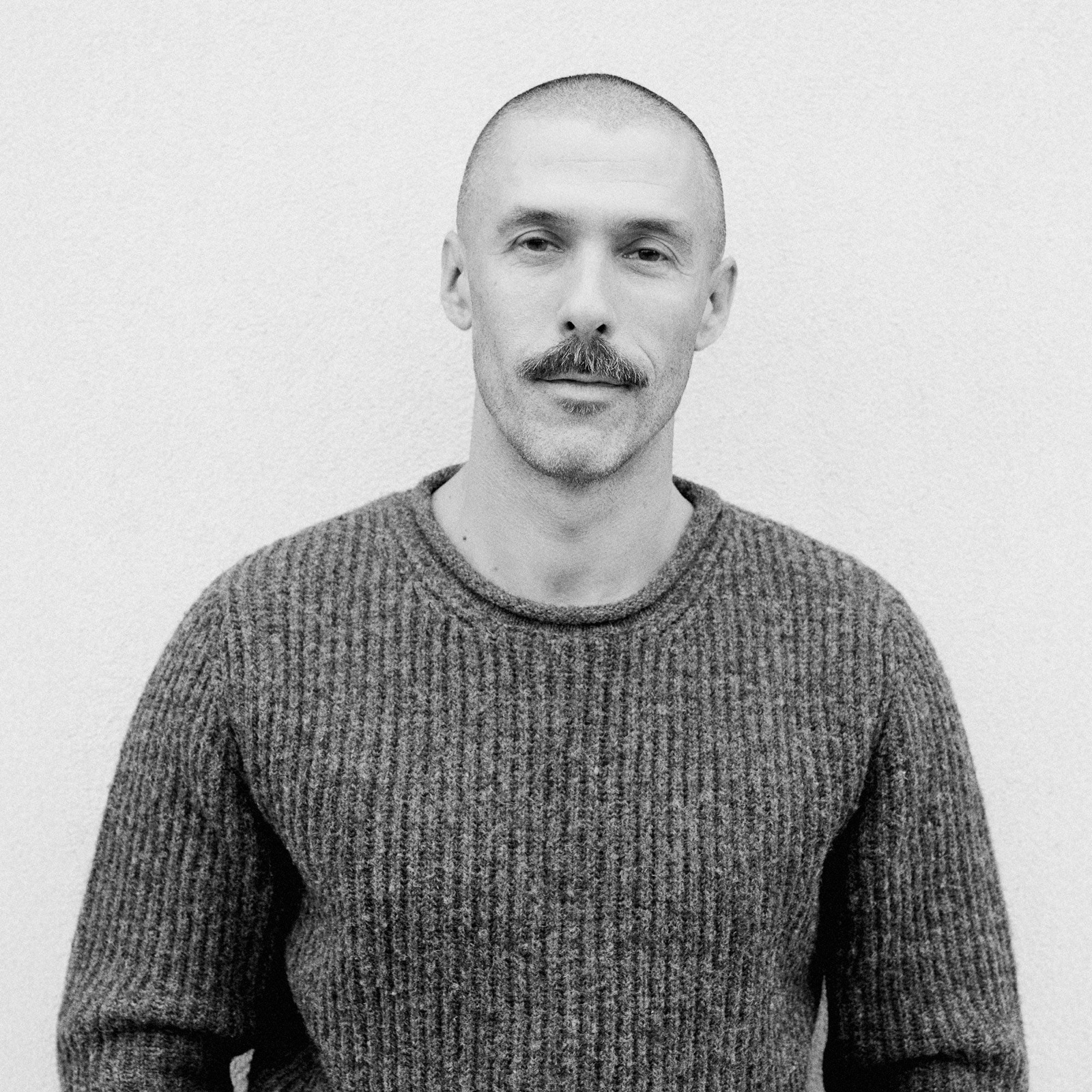
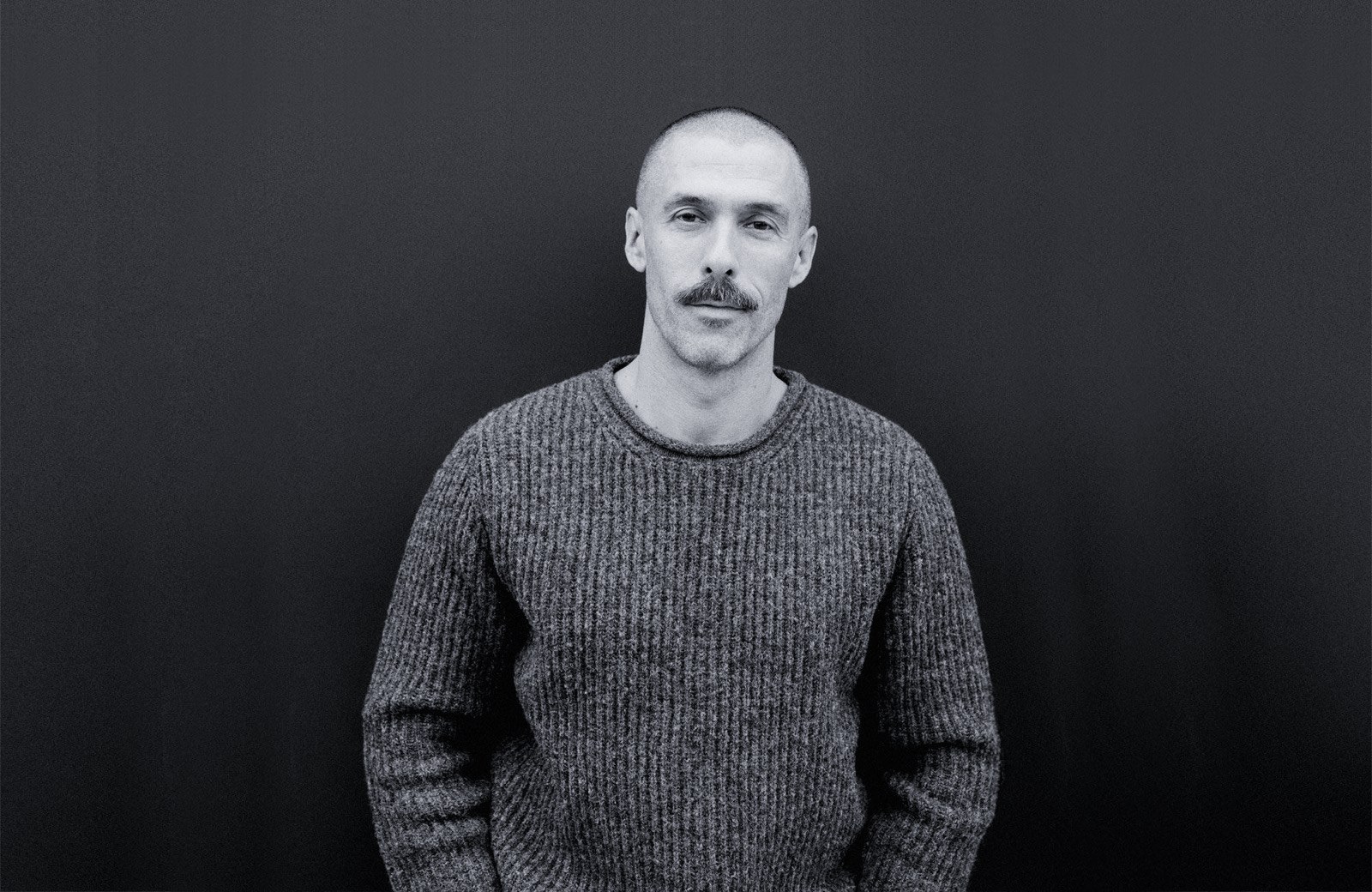
I have been practising hypnotherapy since 2010. I hold two postgraduate diplomas, in Ericksonian Hypnotherapy and NLP (Advanced Level with Distinction), from the British Hypnosis Research and Training Institute. I trained there under Stephen Brooks, who introduced Ericksonian hypnotherapy to the UK.
I went on to study with Dr Ernest L. Rossi PhD and Dr Stephen Gilligan PhD, both direct students of Milton H. Erickson. More recently I have trained with Marianne Bentzen in neuroaffective developmental psychology and with Dr Glenn Hartelius PhD in Attention Stances.
For over a decade I have also taught workshops that bring hypnosis together with art, movement and performance. These have taken place at institutions including the Serpentine Galleries, the Barbican Centre, Camden Art Centre, the Architectural Association and ICA Los Angeles.
How do you test drive a car that cannot be driven yet? The CUPRA Tindaya is a concept car, so for its launch CUPRA moved the drive somewhere else: into the mind.
I led the hypnosis sessions. Drivers and creators including Jeremy Lynch, Daniel Abt and Becky Evans imagined the speed, the cabin and the feeling of being behind the wheel, and CUPRA turned what each of them described into AI-generated film.
It is the same skill I use in every session: helping the mind create an experience vivid enough for the body to feel it.
“After just one session I slept very well but I thought it was just a fluke, however the good sleeps have continued.”
“I started hypnotherapy with Michele a year ago after thinking I was actually going to have a heart attack. Since then I have experienced huge positive shifts in all areas of my life.”
“My earnings increased by 30% in 6 months and that was because of the lessened anxiety and increased self belief and confidence I gained from sessions with him.”
“As both a therapist and hypnotherapist, he has helped me navigate some of the most challenging periods of my life, including working through deeply rooted childhood trauma.”
“I went to see Michele as I wanted to quit smoking. I have been smoking for almost 15 years and I am happy to share that I have not had a cigarette since 25/06/23 after only 2 sessions and I also stopped vaping since 30/07 after 4 sessions. I would like to add that I really enjoyed each session which have always left me feeling in a really good headspace. thank you so much!”
“It was my first time doing hypnotherapy, and he helped me make great progress in just a couple of months.”
Transparent pricing, with the same fee for in-person and online sessions.
Give someone a one-hour hypnotherapy session.
I offer a limited number of reduced-rate sessions each month for people on a low income. Get in touch to ask about availability.
Prices for hypnotherapy in London vary with the therapist's experience, training and location. A session with me costs £150 for 60 minutes, whether in person in London or online. If you know you'd like several sessions, bundles reduce the price to £140 per session (3 sessions) or £130 per session (6 sessions). I also run a low-income clinic with a limited number of reduced-rate sessions each month. When comparing prices, check what's included: session length, whether sessions are tailored or scripted, and whether the therapist is registered with a professional body.
Hypnosis is a natural state of consciousness, different from the ordinary waking state in the same way that dreaming and meditation are. It is generally very pleasant, and a powerful way to strengthen communication between mind and body. Hypnosis acts on several brain regions involved in perception and regulation, allowing a different dialogue between how you process the senses and how you respond emotionally.
Hypnotherapy works by guiding you into hypnosis, a state of focused attention in which the mind becomes more open to new perspectives and less driven by habitual patterns. Many of the patterns behind anxiety, sleep problems or procrastination run automatically, below conscious decision-making. That's why insight alone often isn't enough to change them. In hypnosis, we can work with these patterns directly: helping to regulate stress, loosen habitual reactions, and strengthen access to your own inner resources.
Neuroimaging research, including studies at Stanford University, has found that hypnosis changes activity in brain networks linked to attention, self-monitoring and body awareness.
Yes. Hypnotherapy is a safe and effective way to understand your emotional responses and regulate your inner states, especially at times of stress or anxiety. It is not a new therapy: it has existed under different names across cultures for thousands of years, and in Europe and the UK since the 18th century, making it older than modern psychotherapy.
Anyone who is looking for change in their life. Hypnosis allows for deep self-exploration and healing, and it works well on physical, emotional and behavioural issues alike, bringing a greater sense of fulfilment and a more meaningful experience of life.
Almost everyone. Hypnosis is a natural ability, and anyone who can think can be hypnotised. The only exception is people with severe brain damage.
It depends on what you want to change and how long the pattern has been in place. Some clients notice a clear shift within one to three sessions, particularly with specific issues such as sleep or a habit. Deeper or longer-standing challenges, like chronic anxiety or low self-esteem, usually benefit from a series of sessions. We will discuss a realistic plan in your first session.
Each session lasts one hour. Most clients come once a week or once a fortnight, and some once a month, depending on the issue, the progress we make and your circumstances.
No. Therapeutic hypnosis isn't sleep and it isn't stage hypnosis. You remain aware of where you are, you can hear everything and you can open your eyes or stop at any time. Hypnosis can't make you do anything against your values. Most people simply feel deeply relaxed and focused. Hypnotherapy is a complementary approach and doesn't replace medical care, so if you have a diagnosed physical or mental health condition, please let me know before we start.
Yes, online sessions follow the same structure as sessions at my London practice, and many clients find it easier to relax in their own space. I work regularly with clients in the US and other countries who see me exclusively online, as well as clients who alternate between online and in-person sessions. All you need is a quiet, private room, a stable internet connection and headphones.
Hypnotherapy isn't statutorily regulated in the UK, so it's worth checking a practitioner's background before you book. Look for:
I'm registered with the GHR and GHSC, fully insured, and have been practising since 2010.
You don't need to have everything figured out before you get in touch. If something isn't working and you're ready to change it, that's enough to begin.
Sign up for selective hypnotherapy insights, workshop news, and self-care and collective care strategies—no junk, no spam, just support.