
In person in London
A quiet, calm space designed for deep therapeutic work, in my private practice in Camden.
- 5 Calstock, Royal College Street, London NW1 0RX
- Within walking distance of King’s Cross, St Pancras and Euston
Make sense of psychedelic or plant medicine experiences and integrate their insights safely into everyday life. Ericksonian hypnotherapy with Michele Occelli, in London or online.

Michele has worked with












Yes. Hypnotherapy can help you prepare for a psychedelic or plant medicine experience with clear intentions and steady inner resources, and afterwards make sense of it, settle what feels unresolved and turn its insights into practical changes in everyday life.
Psychedelic experiences often arrive as a flood of images, emotions and sensations that can be hard to organise afterwards. Hypnosis is a natural, drug-free altered state in which you stay aware and grounded, which makes it a gentle way to get ready beforehand and, afterwards, to revisit that material, draw out what matters and let the rest settle.
I am Michele Occelli, a London hypnotherapist with over 15 years of clinical experience. My interest in altered states of consciousness goes back many years, and I meet these experiences with respect and openness, without imposing any belief system. I do not provide, source or promote psychedelic substances, and I do not guide sessions under their influence. This support is for people who have independently chosen to explore these experiences.
Before or after a retreat, a ceremony or a clinical trial, you do not have to manage it all on your own. You might recognise some of these:
Feeling uncertain beforehand, or unsettled after a powerful experience, is common, and support can help. You do not need to be in difficulty to benefit from integration.
Book a first session →In hypnosis, your attention becomes focused and absorbed, and the critical, analytical part of the mind steps back. In this state, the nervous system settles and the mind becomes more open to new responses. In our sessions, that allows us to work on four levels:
Before an experience, hypnosis helps you clarify what you are hoping to explore, strengthen your inner resources and build resilience, so you go in feeling grounded, and with simple techniques to return to calm if things feel intense.
Insights often arrive in the middle of intense perceptions and emotions. In hypnosis we return to the experience in a calm, focused way, so you can separate what feels truly meaningful from the noise and put it into words.
If the experience was challenging, or left you feeling unsettled, hypnosis helps your nervous system come back to a steadier baseline. We revisit difficult moments only as far as feels safe, drawing out their meaning without reliving their intensity.
A realisation can fade quickly once ordinary routines return. We identify the changes you want to make, in relationships, habits or work, and rehearse them in hypnosis, and give you self-hypnosis techniques to use between sessions, so the insight becomes something you live rather than something you remember, without needing another peak experience to find it.
In person in London or online. Each session lasts 60 minutes.
About the experience you are preparing for or have already had, what you hope for or what stayed with you, anything that feels difficult and what you would like to change in your life as a result.
I guide you into a relaxed, focused state. You stay aware and in control, can hear everything and can stop at any time.
Preparation often takes one to three sessions, and some clients find a few sessions enough to ground their insights afterwards. Difficult experiences, or ones that have stirred up older patterns, usually benefit from a series of sessions, often between 4 and 8, reviewed together as we go.
Research on psychedelic integration is still emerging and limited, and I am not aware of controlled studies of hypnotherapy for integration specifically. What we do know is that clinical trials of psychedelic-assisted therapy build preparation and integration sessions into their protocols, reflecting a wide view that what happens afterwards matters. More broadly, a 2019 meta-analysis published in the International Journal of Clinical and Experimental Hypnosis, which pooled results from 15 controlled studies, found that hypnosis produced a substantial reduction in anxiety compared with control conditions, which is relevant when an experience has left you unsettled. I will always be clear with you about what the evidence can and cannot tell us.
Read more about what happens in the brain during hypnosis“It was my first time doing hypnotherapy, and he helped me make great progress in just a couple of months.”
A quiet, calm space designed for deep therapeutic work, in my private practice in Camden.
Online sessions follow the same structure as in-person work, and many clients find it easier to relax at home.
Low-income clinic: a limited number of reduced-rate sessions each month. Ask about availability · All fees and gift certificates
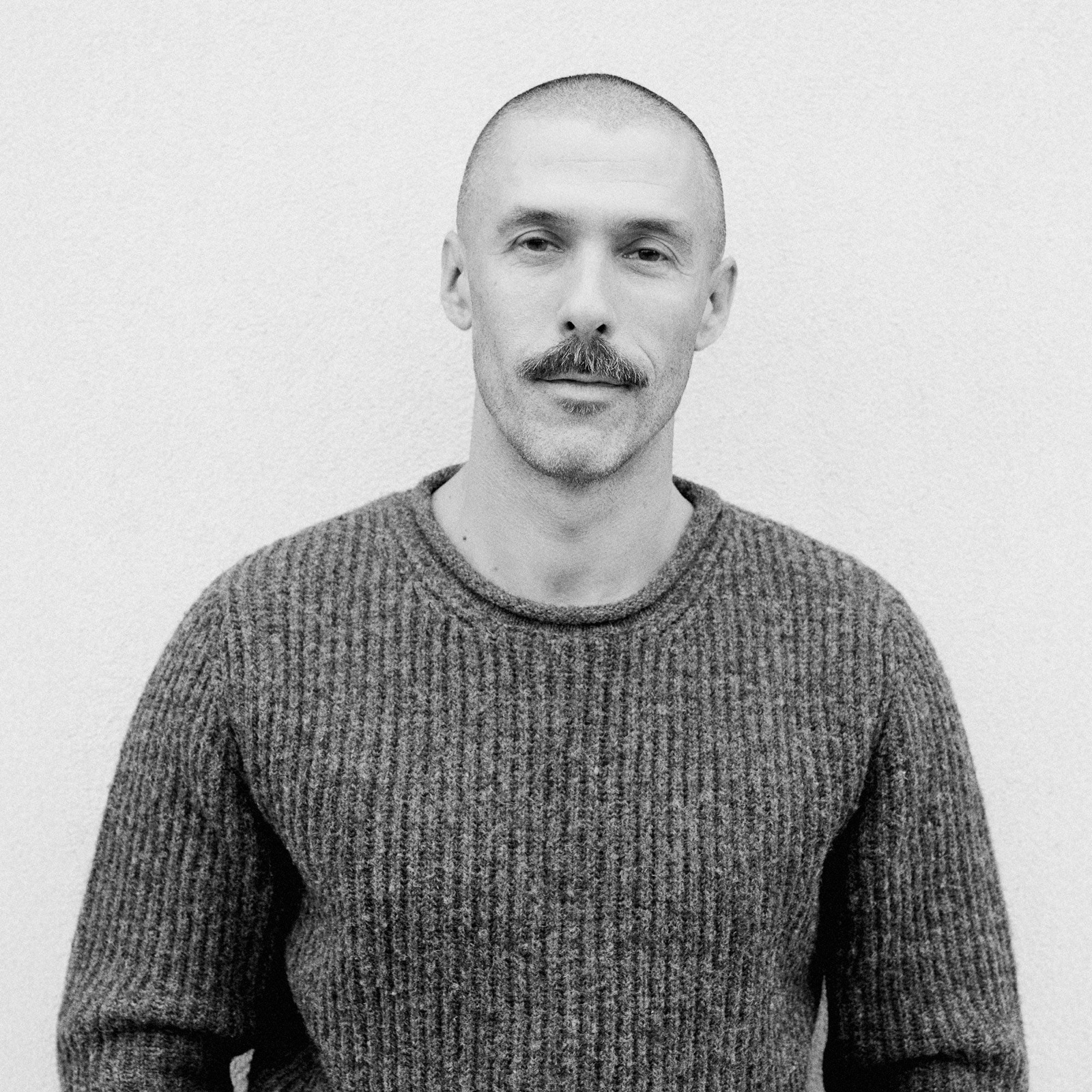
I am a registered hypnotherapist practising since 2010, with postgraduate diplomas in Ericksonian Hypnotherapy and NLP from the British Hypnosis Research and Training Institute. I trained with Dr Ernest L. Rossi and Dr Stephen Gilligan, both direct students of Milton H. Erickson.
Still have a question? Get in touch or call 07939 228 212.
Yes. If you have independently chosen to take part in a retreat, a ceremony or a clinical trial, hypnosis can help you clarify your intentions, strengthen your inner resources and feel more grounded and resilient before you go. We do not discuss where or how to obtain substances, and many of them are illegal in the UK. Our sessions use hypnosis only, and the aim is to help you arrive feeling steady and clear, and to have a foundation in place for integration afterwards.
It depends on what you are looking for. Preparation for a planned experience often takes one to three sessions. For integration, some clients want to clarify and ground a few key insights, and find that a small number of sessions is enough. Where an experience was difficult, or has stirred up older material, a series of sessions over several weeks usually works best. We will review your progress together as we go.
A 60-minute session costs £150, whether in person in London or online. If you would like to commit to a series of sessions, bundles bring the price down to £140 per session (3 sessions) or £130 per session (6 sessions). A limited number of reduced-rate sessions are available each month through my low-income clinic.
Often, yes. Challenging experiences are more common than people expect, and feeling raw, confused or on edge for a while afterwards is something we can work with gently, at your pace, helping your body settle before we explore what happened. If you are experiencing persistent distress or ongoing changes in perception, or you feel unsafe or are having thoughts of harming yourself, please contact your GP or call NHS 111 first. Hypnotherapy can then be a helpful complement to medical support.
No. Many people describe their experiences as spiritual, emotional or visionary, and some find them hard to put into words. I meet whatever you bring with respect and openness, without imposing any interpretation or belief system. My role is to help you find what the experience means for you and how you want to carry it into your life, not to tell you what it should mean.
Both are altered states of consciousness, and some clients notice a familiar quality of open, non-judgemental awareness in hypnosis. The difference is that hypnosis involves no substances: you stay aware and in control throughout, can hear everything and can stop at any time. That steadiness is what makes it useful for revisiting an intense experience without being overwhelmed by it again.
Whether you are preparing for an experience or integrating one, recent or years ago, uplifting or difficult, you do not need to have it all figured out before getting in touch. If it is still asking for your attention, that is reason enough to start.
Sign up for selective hypnotherapy insights, workshop news, and self-care and collective care strategies—no junk, no spam, just support.