
In person in London
A quiet, calm space designed for deep therapeutic work, in my private practice in Camden.
- 5 Calstock, Royal College Street, London NW1 0RX
- Within walking distance of King’s Cross, St Pancras and Euston
Help your body return to its natural sleep rhythm by calming the nervous system and supporting a deeper, more restorative sleep. Ericksonian hypnotherapy with Michele Occelli, in London or online.
Michele has worked with












Yes. Hypnotherapy can help with insomnia by calming the nervous system at night, quietening a racing mind and easing the pressure to sleep that so often keeps sleep away.
Sleep cannot be forced. The harder you try, the more alert your body becomes, and bedtime can start to feel like a test you keep failing. Hypnotherapy works with the automatic part of the mind and body that controls sleep, which is why it can help when good habits and sensible advice have not been enough on their own.
I am Michele Occelli, a London hypnotherapist with over 15 years of clinical experience. I have worked with hundreds of clients with short- and long-term sleep problems, and some notice a clear difference after only a few sessions. My aim is to help sleep become something that happens naturally again, rather than something you have to fight for.
Insomnia can mean trouble falling asleep, staying asleep or waking too early. You might recognise some of these:
Sleep problems are very common, and very treatable. You do not need to wait until exhaustion is affecting your work or mood to get support.
Book a first session →In hypnosis, your attention becomes focused and absorbed, and the critical, analytical part of the mind steps back. In this state, the nervous system settles and the mind becomes more open to new responses. In our sessions, that allows us to work on four levels:
Insomnia often comes with a nervous system that switches on just as you lie down. Hypnosis slows the heart rate, eases the breath and releases muscle tension, mirroring the body's natural lead-up to sleep, so it becomes easier to get there on your own.
Replaying the day, planning tomorrow or worrying about not sleeping can keep the mind busy for hours. In hypnosis we loosen those loops, so your thoughts can slow down and drift instead of racing.
The more you try to sleep, the more awake you feel. We work on the dread of bedtime and the clock-watching, so the bed becomes a place of rest again rather than a place of struggle.
You leave with self-hypnosis recordings and simple techniques to use at bedtime or when you wake in the night, so you know what to do and your progress continues between sessions.
In person in London or online. Each session lasts 60 minutes.
About your sleep, when the problems began, what your nights look like, what you have already tried and how you would like to feel when you go to bed.
I guide you into a relaxed, focused state. You stay aware and in control, can hear everything and can stop at any time.
Many clients notice better sleep after the first sessions. Long-standing insomnia usually benefits from a series of sessions, often between 3 and 6, supported by recordings at home and reviewed together as we go.
Research into hypnosis for sleep is promising but still developing. A 2018 systematic review in the Journal of Clinical Sleep Medicine found that more than half of the studies it examined reported better sleep after hypnosis, although many of those studies were small and the results were mixed. Hypnosis is also well supported for reducing anxiety and physical arousal, two of the main drivers of insomnia. It is not a replacement for medical assessment, and it can sit comfortably alongside approaches such as cognitive behavioural therapy for insomnia.
Read more about what happens in the brain during hypnosis“After just one session I slept very well but I thought it was just a fluke, however the good sleeps have continued.”
A quiet, calm space designed for deep therapeutic work, in my private practice in Camden.
Online sessions follow the same structure as in-person work, and many clients find it easier to relax at home.
Low-income clinic: a limited number of reduced-rate sessions each month. Ask about availability · All fees and gift certificates
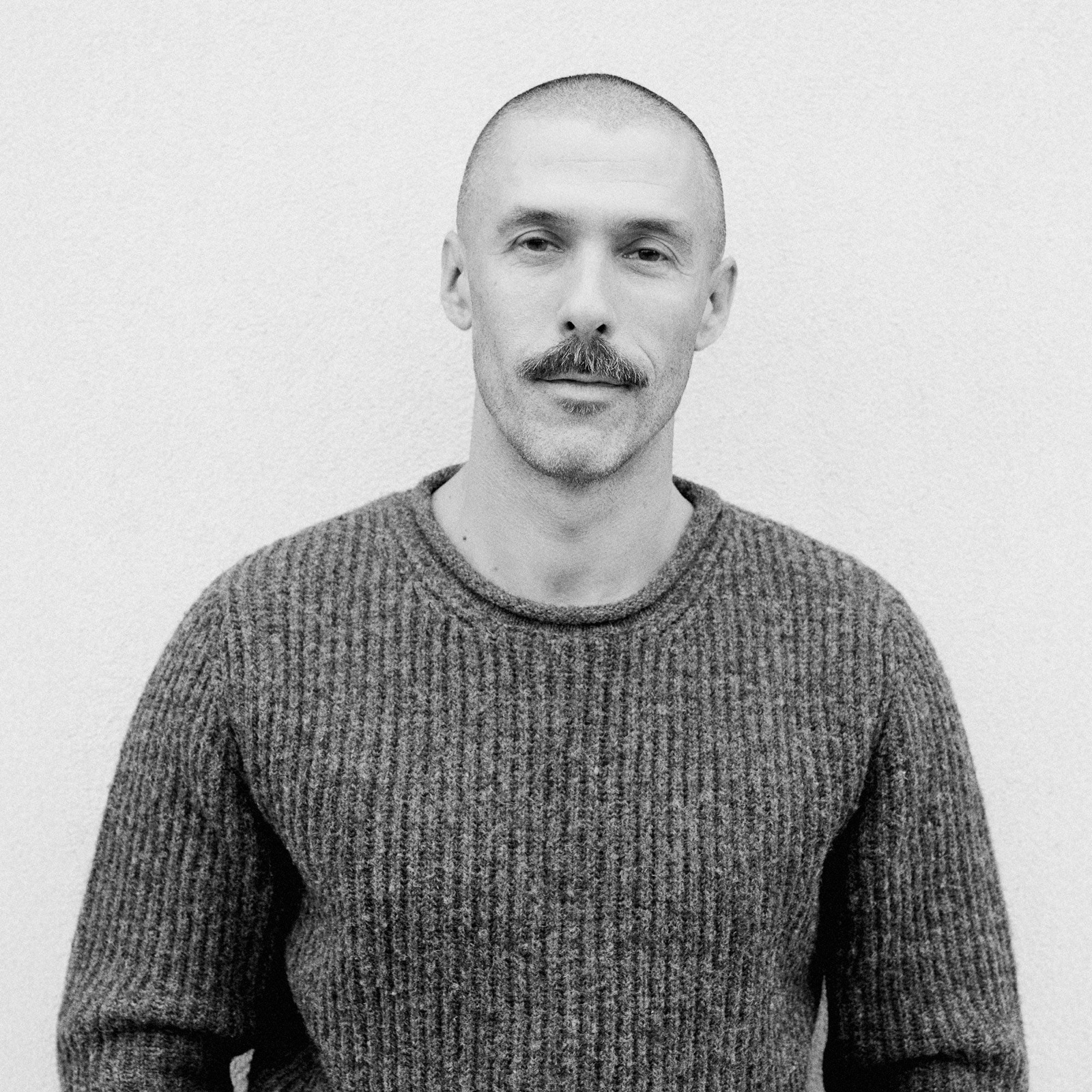
I am a registered hypnotherapist practising since 2010, with postgraduate diplomas in Ericksonian Hypnotherapy and NLP from the British Hypnosis Research and Training Institute. I trained with Dr Ernest L. Rossi and Dr Stephen Gilligan, both direct students of Milton H. Erickson.
Many clients find that they fall asleep more easily, wake less often and get back to sleep more quickly when they do wake. Just as importantly, hypnotherapy helps reduce the worry about sleep itself, which is often what keeps insomnia going long after its original cause has passed. Results vary from person to person, and I will always be honest with you about what is realistic.
It depends on how long you have been sleeping badly and what is behind it. Some clients notice a real improvement within two or three sessions, and occasionally after the first. Long-standing insomnia, or insomnia tied to stress or anxiety, usually benefits from a series of sessions over several weeks. We will review your progress together as we go.
A 60-minute session costs £150, whether in person in London or online. If you would like to commit to a series of sessions, bundles bring the price down to £140 per session (3 sessions) or £130 per session (6 sessions). A limited number of reduced-rate sessions are available each month through my low-income clinic.
Waking in the small hours and lying there with your thoughts is one of the most common patterns I see. Often the body has learned to switch into alert mode at that time. In hypnosis we work on settling that response, and on giving you a simple way to calm your mind and drift back to sleep, rather than lying awake watching the clock.
Yes. I record self-hypnosis tracks tailored to you, so you can listen to them at bedtime or if you wake in the night. Using them regularly between sessions reinforces what we do together and helps your body relearn the path into sleep on its own. Over time, many clients find they need them less.
If you have not had your sleep problems checked, it is a good idea to see your GP first, especially if you snore heavily, stop breathing or gasp in your sleep, or feel very sleepy during the day, as these can be signs of sleep apnoea or another medical cause. Hypnotherapy can usually be combined with medication, including sleep medication; please let me know about any medication or diagnosis before we start, and do not change it without speaking to your GP. If you are in crisis or having thoughts of harming yourself, contact your GP or call NHS 111 for immediate support.
You do not need to wait for another run of sleepless nights to get in touch. If poor sleep is wearing down your days, that is reason enough to start.
Sign up for selective hypnotherapy insights, workshop news, and self-care and collective care strategies—no junk, no spam, just support.